The Sunnah of Dressing Well: What Islam Teaches About Clothing and Appearance
There's a common misconception that being religious means neglecting your appearance. The Sunnah teaches the opposite. The Prophet ﷺ said: "Allah is beautiful and loves beauty" (Sahih Muslim). Dressing well, within the limits of modesty, is part of our deen — not a departure from it. For Muslim men navigating American workplaces, campuses, and social life, this is genuinely useful guidance, not just historical trivia.
Modesty (Awrah) Is the Starting Point, Not the Whole Story
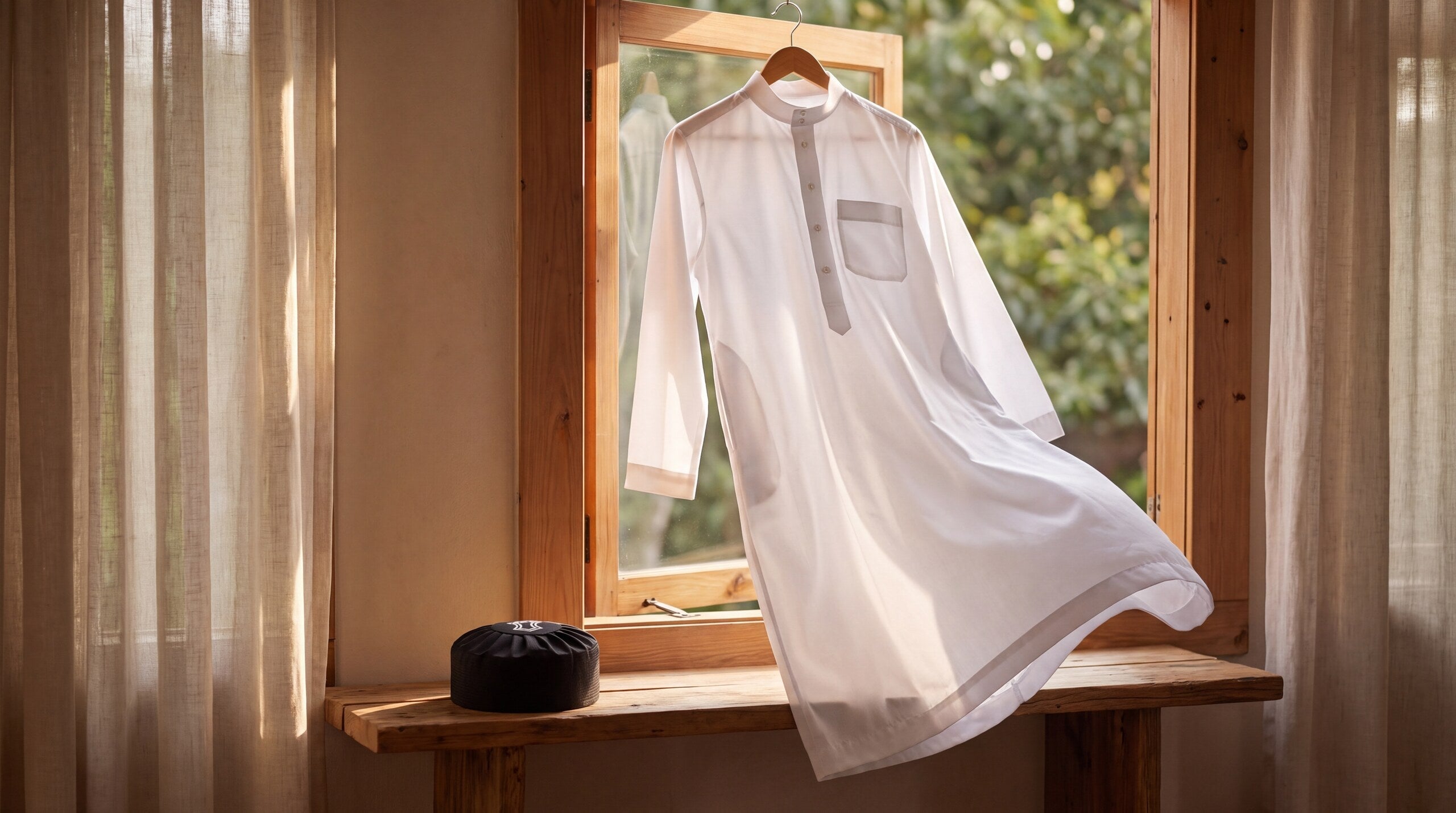
Before any conversation about style, Islam sets the boundary: covering the awrah is obligatory, not optional or occasion-dependent. But modesty is a floor, not a ceiling. Once that requirement is met, everything else — color, fit, fabric, and finishing touches like embroidery — is genuinely open territory for personal taste. A thobe can be both fully modest and sharply put together at the same time; the two aren't in tension.
Cleanliness Comes First
Before style, Islam emphasizes purity. Clean clothes are a condition of prayer itself, and the Qur'an commands: "And your clothing purify" (Surah Al-Muddaththir, 74:4). The Prophet ﷺ once noticed a man with unkempt hair and worn clothing and gently encouraged him to look after himself. Ironing your thobe and keeping it stain-free is worship-adjacent, not vanity — it's part of showing up prepared for salah.
Beauty Without Arrogance
When a companion asked whether loving nice clothes and shoes was arrogance, the Prophet ﷺ answered no — arrogance is rejecting truth and looking down on people (Sahih Muslim). The line isn't between plain and beautiful clothing; it's between humility and pride. You can wear a crisp, well-fitted embroidered thobe to Eid with a completely humble heart, and you can wear a plain white thobe with quiet arrogance. The garment isn't what's being judged.
Shop This Look


What the Prophet ﷺ Actually Wore
Narrations describe him wearing the qamees — a long garment much like today's thobe — as his most beloved clothing, along with cloaks and white garments, which he recommended for their cleanliness. He also wore his best when receiving delegations and for Jumu'ah, showing that occasion-appropriate dressing is itself Sunnah, not a modern innovation borrowed from suit culture.
Moderation Is the Middle Path
Islam discourages both extravagance and deliberate shabbiness. The Prophet ﷺ said Allah loves to see the traces of His blessings on His servant (Tirmidhi). If Allah has given you the means, wearing quality clothing gratefully is a form of shukr. That doesn't require designer prices — a well-made $49 thobe worn clean and pressed honors the Sunnah better than an expensive outfit worn with pride.
Living This Sunnah as an American Muslim
In practice, this plays out in small daily decisions: choosing a fresh thobe over a wrinkled one for Jumu'ah, keeping a spare kufi in the car, applying attar before the masjid instead of just cologne before work, and teaching sons the same habits by dressing them in their own thobes early. None of this requires a special occasion — it's a mindset applied to an ordinary Tuesday just as much as Eid.
Practical Ways to Live This Sunnah Today
Keep a dedicated Jumu'ah outfit and reserve your best for Fridays and Eid. Use attar — the Prophet ﷺ loved good fragrance. Start wearing the kufi for prayer if you don't already. Teach your sons the same by dressing them in their own boys' thobes for the masjid — habits formed young last a lifetime.

The Takeaway
Dressing well in Islam is intentional: clean, modest, dignified, and free of arrogance. Your clothing is part of your da'wah — often the first thing people notice about a practicing Muslim before you say a word. Make it speak well of your deen.
Explore modest menswear that honors the Sunnah at The Topi Wala — premium thobes and kufis, made for the American Muslim.